Researchers continue to study MOTS-c peptide for its role in cellular energy regulation and metabolic balance. Scientists derive this mitochondrial peptide from the mitochondrial genome itself, so it occupies a unique position in metabolic research. So, why has MOTS-c become such a focal point in mitochondrial and metabolic studies? This article covers the science, the […]
Researchers continue to study NAD+ for its central role in cellular energy production and metabolic regulation. This coenzyme exists in every living cell, so its research applications span an unusually wide range of biological systems. So, why does NAD+ draw so much attention across metabolic, neurological, and aging research? This article covers the science, the […]
Researchers continue to study SELANK peptide for its relationship to mood balance and stress modulation. This synthetic fragment derives from tuftsin, a naturally occurring human tetrapeptide. So, what makes SELANK a consistent focus in cognitive and neurological research? This article covers the science, the research pathways, and why sourcing quality plays such a large role […]
Researchers studying cognitive function and neurological pathways continue to focus attention on SEMAX peptide, a synthetic fragment studied for its relationship to neurotrophic signaling and stress-response mechanisms in laboratory models. This article reviews what SEMAX is, the pre-clinical research surrounding it, and why sourcing quality matters for laboratory work. Buy Research-Grade SEMAX from Vitale Peptide […]
Research Use Only. This article and the products referenced are intended strictly for laboratory and research purposes. Nothing here constitutes medical advice, and no compound discussed is intended for human or animal consumption. Introduction Sermorelin holds a distinctive place among GHRH analogs: unlike many research peptides, it carries a documented FDA approval history stretching back […]
Research Use Only. This article and the products referenced are intended strictly for laboratory and research purposes. Nothing here constitutes medical advice, and no compound discussed is intended for human or animal consumption. Introduction SLU-PP-332 has become one of the more closely watched compounds in metabolic and mitochondrial research, largely because it reproduces gene-expression patterns […]
Research Use Only. This article and the products referenced are intended strictly for laboratory and research purposes. Nothing here constitutes medical advice, and no compound discussed is intended for human or animal consumption. TB-500 draws consistent research interest because it isolates the single most functionally important region of a much larger natural protein: Thymosin Beta-4. […]
Research Use Only. This article and the products referenced are intended strictly for laboratory and research purposes. Nothing here constitutes medical advice, and no compound discussed is intended for human or animal consumption. Introduction Tesamorelin (Tesa) ranks among the most extensively studied growth hormone-releasing hormone (GHRH) analogs in the research literature, largely because it carries […]
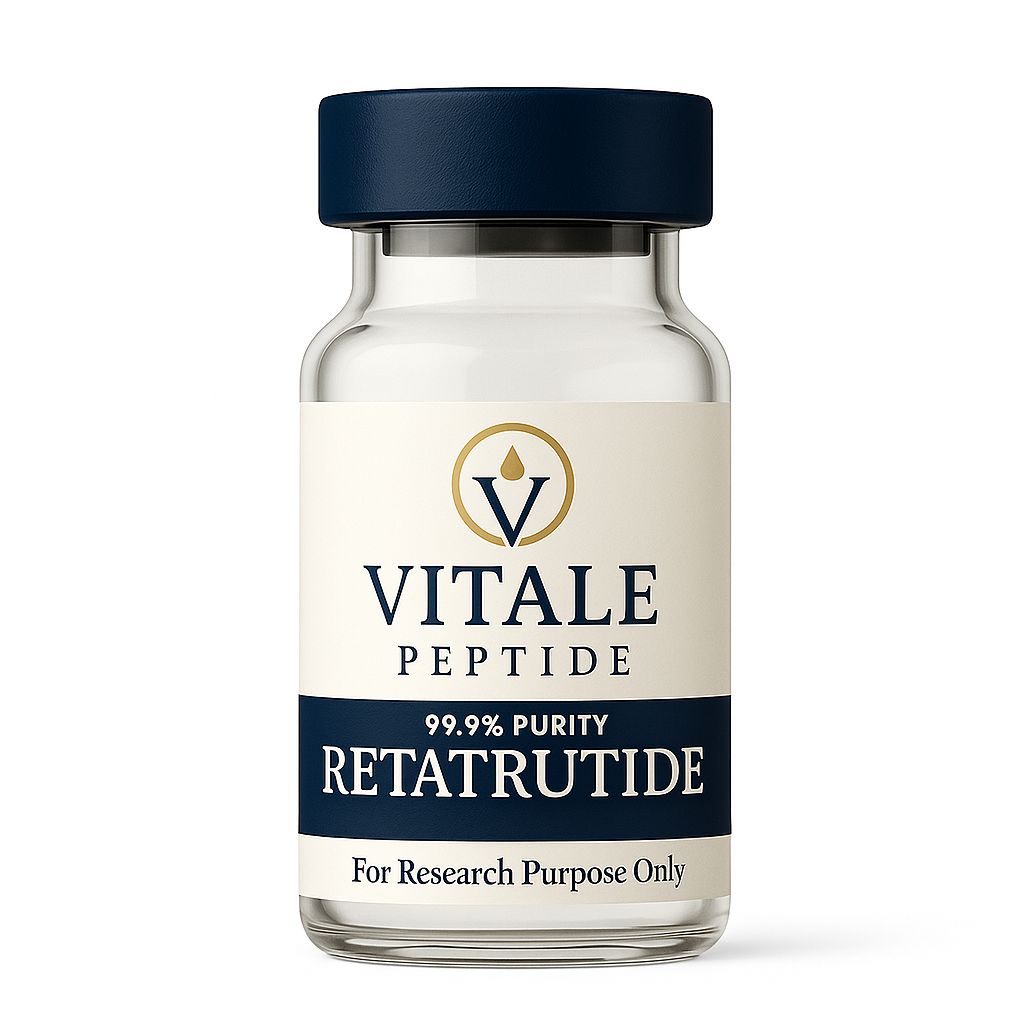
Research Use Only. This article and the products referenced are intended strictly for laboratory and research purposes. Nothing here constitutes medical advice, and no compound discussed is intended for human or animal consumption. Introduction Retatrutide (GLP-3) has become one of the most searched terms among researchers studying metabolic hormone pathways, largely because “GLP-3” is a […]

Introduction Lyophilized Peptides are widely used in laboratory research because freeze-drying helps preserve research compounds during storage and transportation. Scientists working with peptide materials often select lyophilized products due to their stability and convenience in research environments. As a result, freeze-dried peptides have become a standard format for many laboratory investigations. Furthermore, peptide science continues […]